October 8, 2026
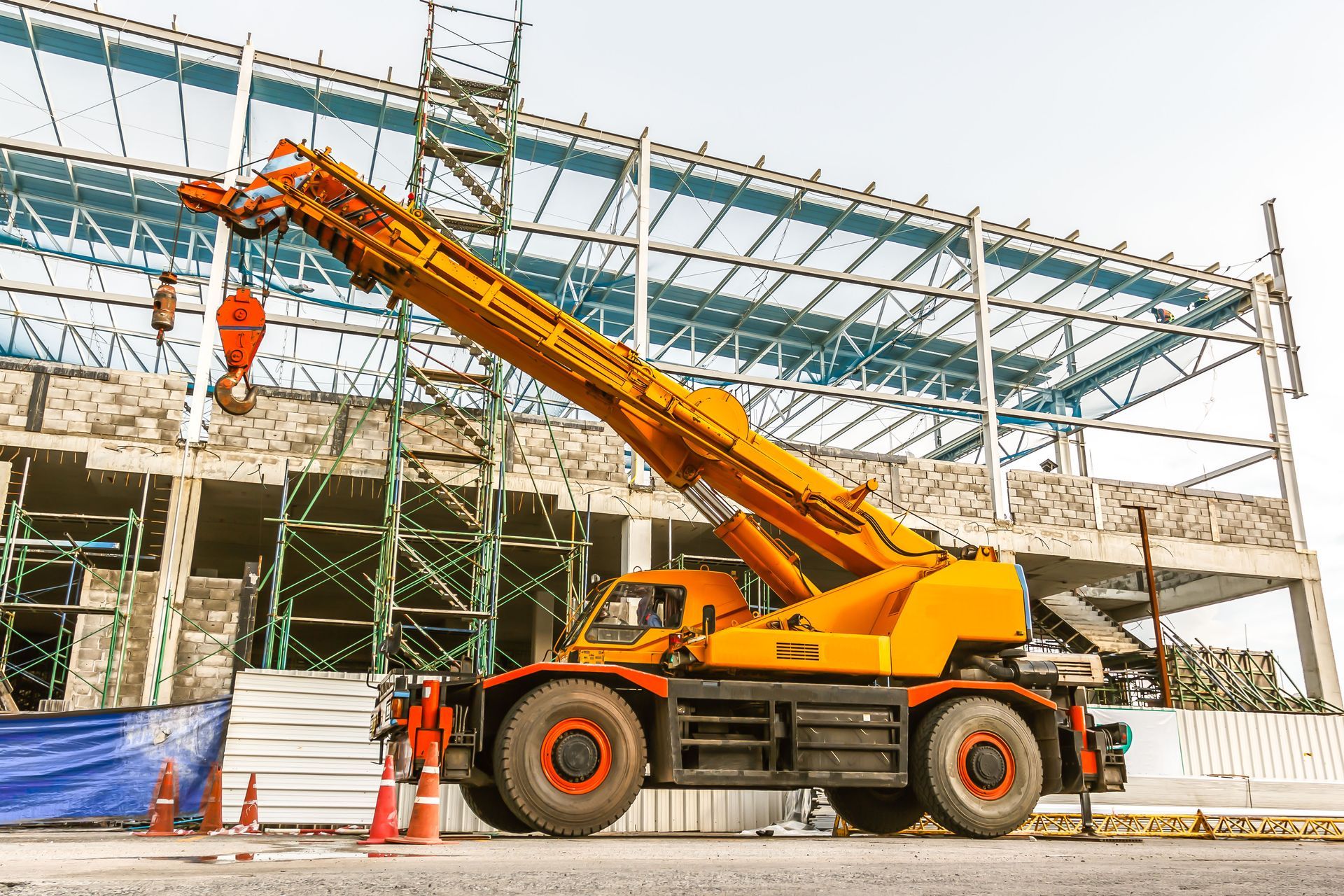
Residential construction has undergone significant changes in recent years as builders adapt to evolving architectural designs, dense neighborhood environments, and strict timelines. Choosing appropriate lifting machinery for a residential build directly impacts productivity, site logistics, and jobsite safety. Low and medium capacity cranes have become essential assets across modern home construction sites, providing the balance of power and agility required for residential projects. From laying structural foundations to installing roof trusses, these units deliver dependable support across every phase of the build.
Understanding how right-sized hoisting equipment improves residential builds offers valuable context for contemporary construction strategies. As housing projects incorporate complex architectural features and tighter lot sizes, equipment must deliver maximum functional capability while maintaining a compact physical footprint on site. Utilizing suitable lifting equipment allows general contractors to execute custom plans, maintain momentum, and ensure consistent craftsmanship. Analyzing these operational benefits illustrates how modern machinery continues to refine building practices, enhance safety standards, elevate resource efficiency, and support overall project performance.
Enhancing Versatility in Residential Projects
Versatility remains a primary advantage when integrating compact and mid-sized hoisting units into residential construction projects. These units handle diverse tasks across construction phases, from setting structural framing members to transferring bulky materials across the jobsite. According to findings from Future Market Insights, rental equipment commonly falls into low to medium capacity ratings between 10-100 tons, making these units ideal for small and mid-sized undertakings such as home builds and light commercial developments. This capacity range offers ample power without requiring broad ground preparation or site disruption.
Beyond general material handling, mid-sized machinery offers maneuverability within tight residential settings. Modern suburban developments and urban infill sites feature narrow access roads, close property lines, and overhead utility lines. Compact lifting machinery navigates these constrained areas easily, setting up quickly in restricted work zones without blocking neighboring access. Simple site delivery and minimal setup requirements allow project managers to transition smoothly between work phases. Whether placing prefabricated wall panels or hoisting specialized design elements, adaptable equipment supports unique architectural requirements efficiently.
Lowering Operational Costs on Site
Financial efficiency remains a primary objective for residential builders seeking to optimize operational budgets while delivering high-quality homes. Employing properly rated low and medium capacity cranes helps control overall project expenditures by replacing labor-intensive manual material movement with efficient mechanical hoisting. Tasks that once required multiple workers and extensive time can be completed rapidly, enabling site managers to reallocate skilled labor toward specialized carpentry and finishing work. Streamlining structural assembly and material placement shortens overall construction schedules, directly reducing ongoing jobsite overhead expenses.
Cost savings also stem from preventing collateral damage to property during material placement operations. Moving heavy materials like concrete forms, steel beams, and structural roof components manually presents significant site risks. Precise mechanical controls enable operators to position heavy components accurately, avoiding accidental impacts with standing structures, neighboring homes, or underground utilities. Preventing site damage avoids expensive repair costs and keeps project budgets aligned with initial financial estimates. Cost-effective equipment deployment allows construction teams to maintain high standards while offering competitive completion timelines.
Improving Safety Across Construction Operations
Establishing a safe working environment is essential for every residential project, and mechanical lifting solutions serve a crucial role in reducing jobsite hazards. Integrating low and mid-capacity cranes into daily operations decreases manual material handling burdens for construction crews. Lifting heavy lumber packages, roofing materials, and structural framing components manually is a primary cause of physical fatigue and workplace injuries. Automating heavy lifts minimizes physical strain, promotes safer working conditions, and helps sustain strong crew productivity and workplace morale throughout the build.
Safety benefits also derive from standardized operational procedures and equipment safety features on site. Modern mechanical features, such as load-moment indicators, automatic limit switches, and hydraulic outriggers, ensure structural stability during heavy lifting operations. Comprehensive operator training ensures clear communication between equipment operators and ground personnel through standardized hand signals and two-way radio channels. Structured safety protocols and regular equipment inspections ensure lifting operations comply strictly with occupational safety regulations, establishing a controlled and secure working environment for all project personnel.
Supporting Environmental Building Standards
Environmental responsibility has become a central focus within the residential construction industry, encouraging the adoption of sustainable jobsite equipment. Contemporary low and medium capacity cranes support eco-conscious building initiatives by reducing fuel usage and operational emissions on site. Modern power systems and hybrid engines optimize fuel burn while maintaining necessary lifting capabilities for heavy residential loads. Decreasing fuel consumption lowers carbon emissions, assisting home builders in meeting local environmental regulations and green building certifications for their residential development projects.
Deploying compact hoisting machinery also protects the immediate physical environment around residential build sites. Smaller equipment exerts lighter ground pressure, preserving natural soil structure, established trees, and surrounding landscape features from heavy damage or severe compaction during active construction. Precise material placement capabilities also enhance site waste management, allowing workers to move, separate, and store recyclable construction materials neatly in designated site bins. Minimizing environmental disturbance, air pollution, and physical debris helps construction firms demonstrate responsible stewardship while building modern residential homes.
Integrating Advanced Operational Technologies
Technological innovations continue to enhance equipment performance, driving higher accuracy and efficiency across residential jobsites. Modern mid-capacity cranes feature integrated global positioning tools, digital load monitoring systems, and automated assist controls that aid operators during challenging lifting tasks. These integrated systems provide real-time operational feedback regarding boom angles, load weight, wind speeds, and working radius, enabling precise load positioning. Technical guidance ensures structural building components are placed accurately onto foundation anchors and framing assemblies, reducing installation errors and improving overall structural quality.
Technological advancements also improve equipment maintenance tracking and site coordination during active projects. Predictive diagnostic systems monitor mechanical performance metrics continuously, identifying potential maintenance needs before mechanical issues cause unexpected jobsite downtime. Clear digital communication systems connect operators with ground crews, facilitating safe coordination during blind lifts or multi-stage material transfers. Adopting advanced operational practices ensures reliable equipment availability, maintains continuous project momentum, and enhances overall workflow efficiency across all phases of residential home construction.
Adapting to Future Construction Needs
As urban centers expand and suburban neighborhoods increase in density, demand for efficient low and medium capacity cranes will expand across the housing sector. Future residential builds will increasingly incorporate prefabricated building components, modular home sections, and engineered timber frames that require precise, mid-sized lifting support. Next-generation equipment designs promise improved energy efficiency and quieter operation, making them well suited for noise-sensitive suburban neighborhoods and night construction windows. Embracing these evolving equipment trends prepares general contractors to meet future residential construction requirements effectively.
Regulatory policy updates and workforce development initiatives will continue to shape future lifting applications in residential construction. Industry standards place strong emphasis on comprehensive operator certification, ongoing safety education, and strict environmental compliance. Ongoing workforce training ensures equipment operators possess the technical skill needed to maneuver machinery safely within changing residential environments. Integrating modern equipment practices into broader urban planning strategies enables the residential construction industry to deliver durable, sustainable housing structures that satisfy the demands of growing local communities.
Low and medium capacity cranes serve as essential assets in modern residential construction, delivering significant operational benefits across every stage of a build. Their versatility, operational cost savings, enhanced jobsite safety, environmental performance, and technological integration make them ideal tools for completing complex housing projects. As home construction trends continue toward prefabrication and eco-friendly design, reliable mechanical lifting equipment will remain crucial for maintaining productive, safe, and organized building sites across expanding residential communities.
Partnering with an experienced equipment provider ensures that your construction project proceeds safely, efficiently, and according to schedule. At American Pride Crane, we are committed to delivering reliable machinery and expert operational support for your homebuilding projects, so contact us today to discuss how we can assist your team.